The Mediation Process
What is mediation?
Mediation is a voluntary, confidential process used to settle a dispute between two or more people, businesses or other organisations. The mediation process is facilitated by a neutral third party (the mediator). Instead of imposing a decision like a judge, the mediator helps conflicting parties communicate effectively, explore their interests and reach a mutually agreeable settlement outside of court.
The benefits of mediation
Mediation offers a flexible and empowering route to resolving disputes, enabling outcomes that can be more creative, practical and far-reaching than those available through the courts. It places control firmly in the hands of the parties. Mediation is confidential and without prejudice, significantly reducing stress, cost, risk and potential reputational exposure. It provides a safe, neutral environment in which parties can test the reality of their positions, reassess risk and openly express the impact of events without judgment. Importantly, participation is voluntary throughout, and there is no obligation on anyone to reach or accept a settlement.
When to use mediation?
Mediation can be used at almost any stage of a dispute. Often, people choose to mediate at an early point, before positions become entrenched or significant legal costs are incurred, allowing issues to be addressed swiftly and constructively. Equally, mediation remains highly effective after court proceedings have been issued, often providing a timely opportunity to reassess risk, narrow issues and explore resolution. The courts actively expect and encourage parties to attempt to resolve disputes through alternative dispute resolution, such as mediation, and may impose cost consequences where this is unreasonably refused. Where agreement is reached, the parties can record the outcome in a consent order or settlement agreement, enabling proceedings to be stayed and the dispute brought to a formal and binding conclusion.
Is mediation confidential?
Yes, the entire mediation process is completely confidential.
What are the costs involved in mediation?
Please see our fees page here.
The mediation process is carefully prepared and professionally guided from the outset. Prior to each mediation, our Principal Mediator, Nick Cheshire, will liaise with the parties to understand the issues, explain the mediation process and answer any questions ahead of the mediation day.
On the day itself, mediation often begins with a joint session to clarify positions and set the framework for discussions, though this can be adapted or omitted if preferred. The process then typically moves into private, confidential meetings with each of the parties , with balanced time and attention given throughout. Discussions are facilitated with neutrality, sensitivity and commercial realism, always with the aim of helping you reach a practical and mutually acceptable resolution.
Downloadable Guide - How to Prepare for a Commercial Mediation: A Guide for Directors, Business Owners and Lawyers
Full Mediation Booking Agreement terms and conditions apply. Please contact us if you would like to make a mediation enquiry.
Harbour Mediation adheres to Civil Mediation Council (CMC) standards together with the European Code of Conduct for Mediation Providers. Our Complaints Procedure is available here.
FAQs
What are the success rates for resolving disputes with mediation?
The majority of cases are resolved on the day of mediation. The CEDR Mediation Audit 2025 shows consistently high success rates, with an overall settlement rate of around 93%, with most cases (around 73%) settling on the day of mediation.
Is mediation legally binding?
The participants can agree to enter into a legally binding agreement at the conclusion of the mediation. It is for the parties to decide what they agree and what format this agreement will take. If court proceedings have already commenced, a settlement agreement or consent order can be drafted by the parties or their legal representatives to inform the court of the agreement that has been reached.
Will my solicitor/lawyer attend the mediation?
In many cases we are instructed by your lawyer and it is common for solicitors to attend mediations. However, this is something you can agree directly with your solicitor.
Mediators do not provide legal advice or legal services and so it is advisable to seek independent legal advice throughout the mediation process.
The mediator is a neutral third party facilitator that helps parties explore a dispute and potential settlement options. The mediator does not make any decisions or judgments and does not provide any legal advice or legal services. The mediator provides a structured environment for parties to explore their options, including potential resolutions to the dispute.
The mediator's role
Contact us to explore mediation options in confidence

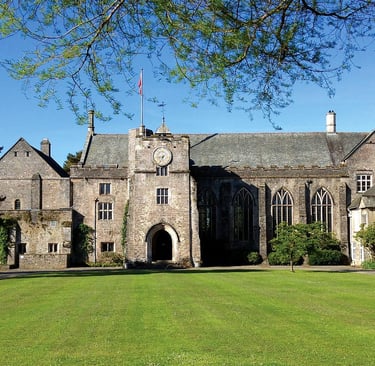
Harbour Mediation has a London address at 124 City Road, with access to professional meeting facilities when required, in addition to our head office located on the Dartington Estate in Devon.
Harbour Mediation Limited - Privacy Policy
Civil, Commercial & Workplace Mediation, UK & International






© 2026 Harbour Mediation Limited All rights reserved